Comparative Analysis: Fibera FRP vs. Traditional & Low-Grade Materials
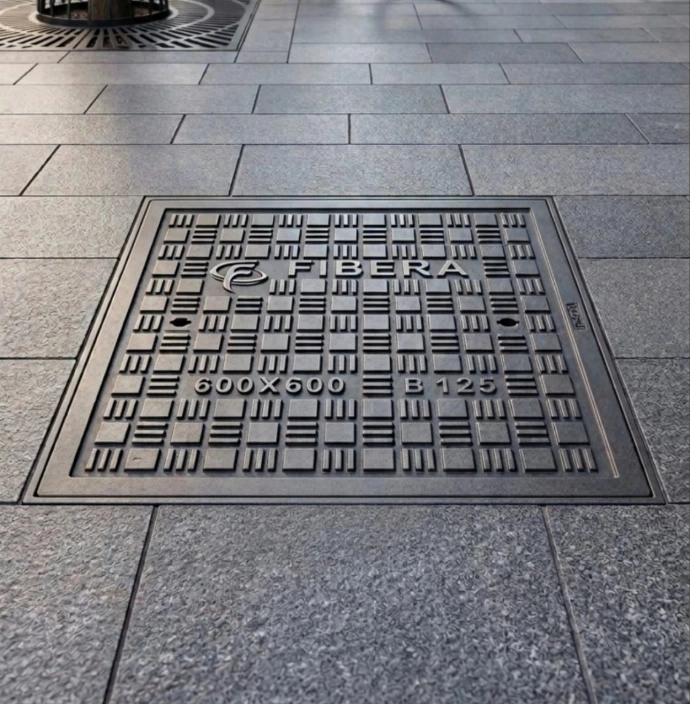
Discover why Fibera FRP is the superior choice over Cast Iron, Concrete, and Low-Grade SMC Covers in durability, safety, and Total Cost of Ownership (TCO).
Compare
Fibera FRP V/S Cast - Ductile Iron Covers
While Cast Iron has historically been the standard for municipal access, its high scrap value makes it a primary target for theft, leading to hazardous open pits. Furthermore, metallic corrosion drastically limits its lifespan in chemical and sewage environments.
| Performance Metric | Fibera High-Grade FRP Covers | Traditional Cast/Ductile Iron |
|---|---|---|
| Theft & Safety | Zero Scrap Value: Completely eliminates theft risk and open-pit accidents | High Scrap Value: High risk of theft, requiring costly ongoing replacements. |
| Weight & Handling | Lightweight: Easy to handle on-site; significantly lowers freight and labor costs. | Extremely Heavy: Requires heavy lifting machinery; increases freight & injury risks. |
| Corrosion Resistance | 100% Rust-Proof: Immune to chemicals, hydrogen sulfide gas, and saltwater. | Prone to Rust: Corrodes rapidly when exposed to moisture, sewage, and chemicals. |
Thermal Properties | Zero Thermal Conductivity: No expansion, contraction, or heat retention issues. | High Thermal Conductivity: Expands and contracts significantly in extreme temperatures. |
Electrical Safety | Non-Conductive (Insulator): Safe for underground power and telecom lines. | (Insulator): Safe for underground power and telecom lines.Conductive: Poses serious electrocution and shock hazards during electrical faults. |
Weather Resistance | Weatherproof: Impervious to UV rays, rain, snow, sea water, and temperature spikes. | High Environmental Wear: Rapid degradation and rusting in harsh coastal/sewer environments. |
Aesthetics & Finish | Self-Pigmented: Custom color options; never fades or requires repainting. | Requires Maintenance: Prone to chipping, rust staining, and requires periodic repainting. |
Compare
Fibera FRP vs. RCC / SFRC Concrete Covers
Reinforced Cement Concrete (RCC) and Steel Fiber Reinforced Concrete (SFRC) covers are prone to surface abrasion, water seepage, and internal rebar rusting, leading to sudden crumbling under vehicular impact.
| Performance Metric | Fibera High-Grade FRP Covers | RCC / SFRC / Concrete Covers |
|---|---|---|
Strength-to-Weight Ratio | High Mechanical Strength: Handles loads up to 90 MT with minimal material weight. | Low Strength-to-Weight Ratio: Extremely heavy with lower relative structural strength. |
Abrasion Resistance | Quartz-Infused Surface: Anti-skid top layer prevents wear from heavy vehicle tires. | Low Abrasion Resistance: Surface wears down quickly due to vehicle friction and rainwater. |
Internal Reinforcement | 100% Non-Metallic: No internal metal bars to rust or cause structural swelling. | Metal Rebars: Subject to water seepage, causing internal rusting and concrete spalling. |
Environmental Longevity | Zero Degradation: Unaffected by raw sewage, acidic soil, and atmospheric gases. | High Environmental Degradation: Short service life in chemical, wastewater, and urban areas. |
Handling & Maintenance | Ergonomic & Modular: Simple removal using specialized Fibera lifting keys. | Difficult Maintenance: Heavy and prone to cracking at edges during removal. |
Compare
Fibera FRP V/S Low-Grade SMC / Machine-Moulded / Plastic Covers
Reinforced Cement Concrete (RCC) and Steel Fiber Reinforced Concrete (SFRC) covers are prone to surface abrasion, water seepage, and internal rebar rusting, leading to sudden crumbling under vehicular impact.
| Performance Metric | Fibera High-Grade FRP Covers | Low-Grade SMC / Plastic Covers |
|---|---|---|
Manufacturing Process | Hand Lay-Up & Vacuum Infusion: Engineered for heavy loads up to 90 MT | Machine Moulded (SMC/DMC): Designed for light duty; fails under 2 MT loads. |
Resin Grade Quality | Isophthalic / Orthophthalic Resins: High structural durability and long lifespan. | Low-Grade Resins (PET): Cheap general-purpose resins that degrade rapidly under UV exposure. |
Material Purity | Zero Fillers: Pure resin and glass fiber matrix for maximum hardness and toughness. | Up to 50% Fillers: Powder-heavy mix using B-grade resins, leading to brittle, breakable covers. |
Internal Construction | Pure Fiberglass Matrix: Radio-transparent, corrosion-resistant composite structure. | Cheap Metal Mesh Inserts: Uses hidden metal mesh prone to internal rust and signal interference. |
Quality Control | 30-Point QC Check: Individually inspected and load-tested for guaranteed performance. | Mass Production: Non-existent quality control using unskilled labor and inconsistent molds.ng removal. |
UV & Weather Resistance | UV Stabilized: Retains structural strength under continuous tropical sunlight. | Prone to UV Degradation: Becomes brittle and discolored after prolonged sun exposure. |
Ready to Switch to Long-Lasting Composite Solutions?
Upgrade from traditional materials. Explore the structural, safety, and economic advantages of high-grade Fibera FRP.